The Challenge of Universal Education
There is the fundamental question of how to best educate all but most specifically children, whether they be from across our foreign-born shores or home-grown on American soil, the affluent well-to-do in Montgomery County, or the impoverished poor who walk reed roads in Katanga province. American education has long wrestled with this challenge. The emphasis on standardized testing, one facet in our initial disagreement, has become just a leading factor of what success is seen to be and the other key development nonetheless, tests such as these can result in many students, particularly those from minority or language-oppressed groups, performing poorly despite having the considerable academic ability. That brings up a major question regarding education equity. However, tests are not humanizing they do not take into account the complex experiences and learning modalities of individual students.
While looking into the second argument that deals with the implications of an educational philosophy that legitimizes tracking students, much too often, by test scores, we saw the threat of typecasting. The educational system tests and boxes students her ways limited to their test performance amounting to their potential and strengths. This is the school of thought that systematically supports already advantaged groups and leaves others out; this creates an education system that services a few and utterly fails so many.
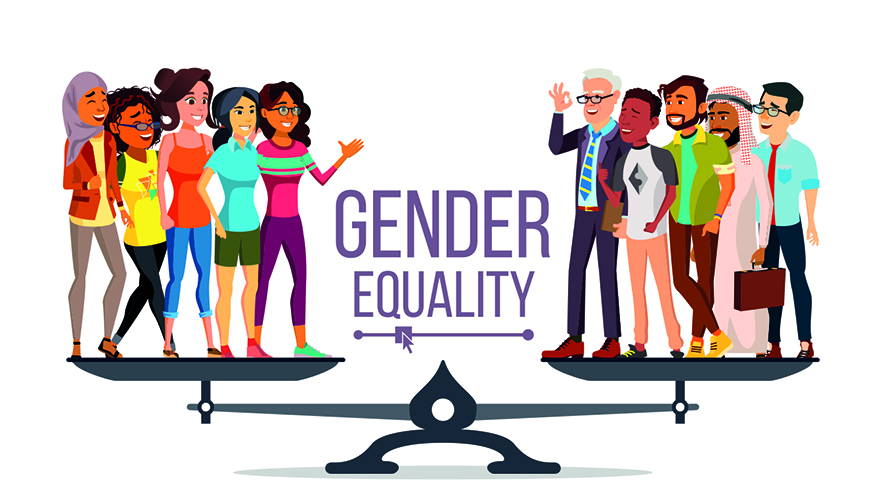
The third argument, that there should be specialized programs for boys and girls, exposes a further dimension of inequality. Still, much gender bias remains in our educational system, with students being funneled down certain avenues due to age-old preconceived beliefs about what men and women can do. This does not only create fewer opportunities for all students to experience the mind-expanding, horizon-broadening effects of learning but it also reinforces gender stereotypes that can have far-reaching effects on both education and life in general disenfranchising men.
The Rankings and Rationale
We then categorized these arguments by our systemic impact ranking in the group. We prefaced the standardized testing argument because it represents the lens through which all other educational policies and practices are narrowed. Secondly, we identified the moral issue surrounding intelligence testing and the historical and ongoing injustices within our educational system. Finally, with the argument concerning specialized programs that deserve attention but it seems maybe too specific about the others, so we ranked it as low.

We looked back at our starting assumptions, and we decided that the idea that "every child can benefit equally from an equivalent form of schooling" needed to be questioned. While this idea has shaped much of the education reform in American history, it does not respond to the multifaceted and varying needs of students. Next, we ranked the idea that "education is the key to social mobility," which while crucial, fails to take into consideration wider societal obstacles many students have to contend with. Last, we listed "standardized testing is an accurate measure of intelligence" as the most irresponsible assumption, recognizing that it also touches on a limited piece of education.
Aspirations for the Future
Our desires for the future of education were shining brightly as we wrapped up our conversations. In doing so, first and foremost, I aim to incorporate evidence-based teaching practices that cultivate active learning strategies and hormonal teaching methodologies. As I draw from Dewey's ideas of practical learning being enjoyable and worthwhile, all classrooms should be environments filled with creativity and critical thinking skills.
In addition to this, I will continue to look into historical educational movements which have pushed for inclusivity and social justice. As we continue to grapple with questions around access and the effects of economic disparities, I wish to turn my attention towards gaining a greater understanding of what we can learn through these organized resistance movements.
Finally, I hope that I will search how grassroots movements influence educational policy. Learning about the extensive work – past and present, by all who sweated blood for our education should greatly encourage me to do my part in that same struggle. We have to deal with the fact that change is not going to manifest without the collaboration and advocacy of all those interested parties ready for a change in our broken educational system.

Comments
Post a Comment